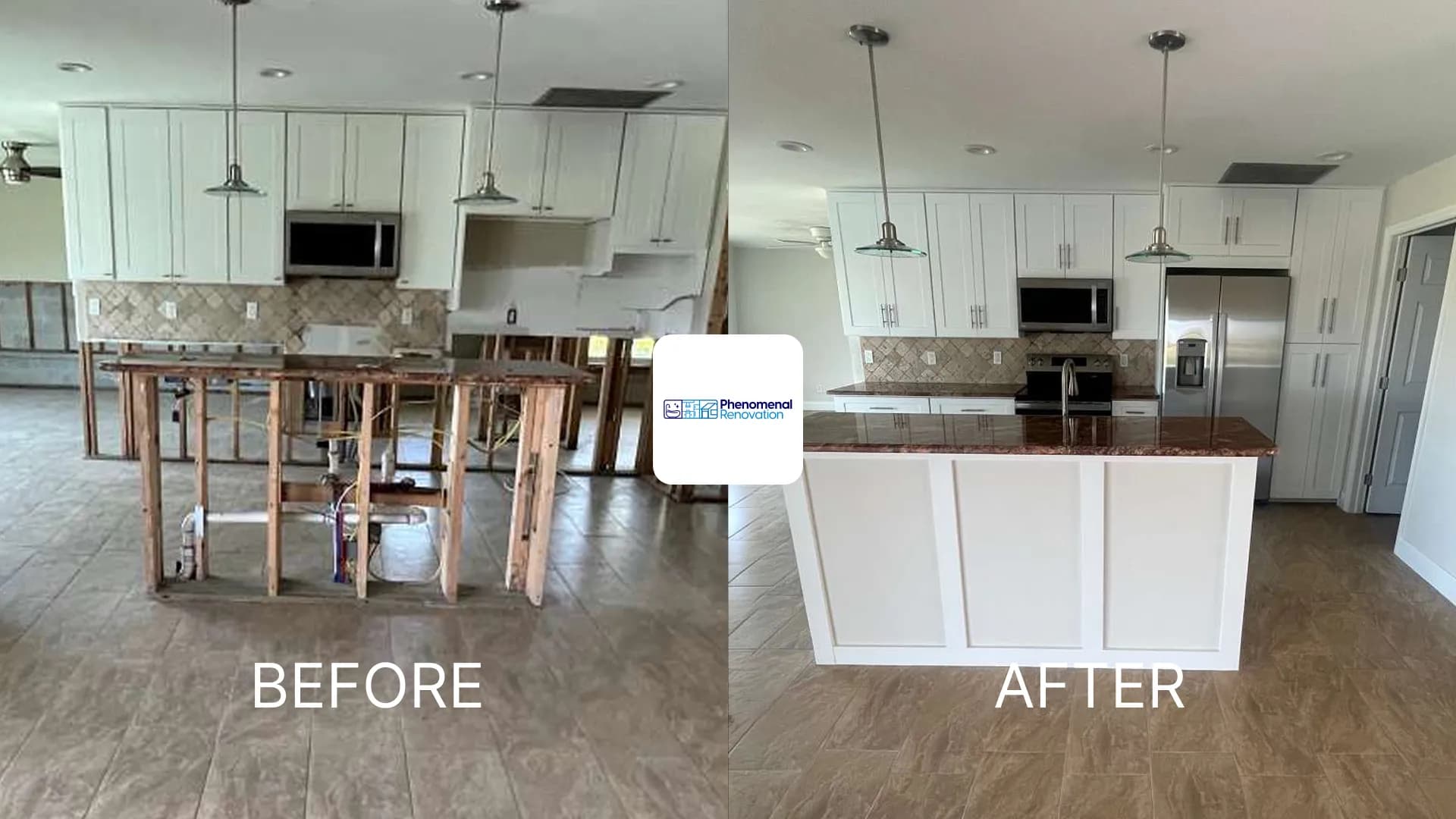
Flooring After Hurricane or Flood Damage: What to Replace and When
Flooring after hurricane damage: which floors can be saved, how to dry and test them, and what to document for insurance. Get a free estimate.
What Counts as Flooring After Hurricane Damage?
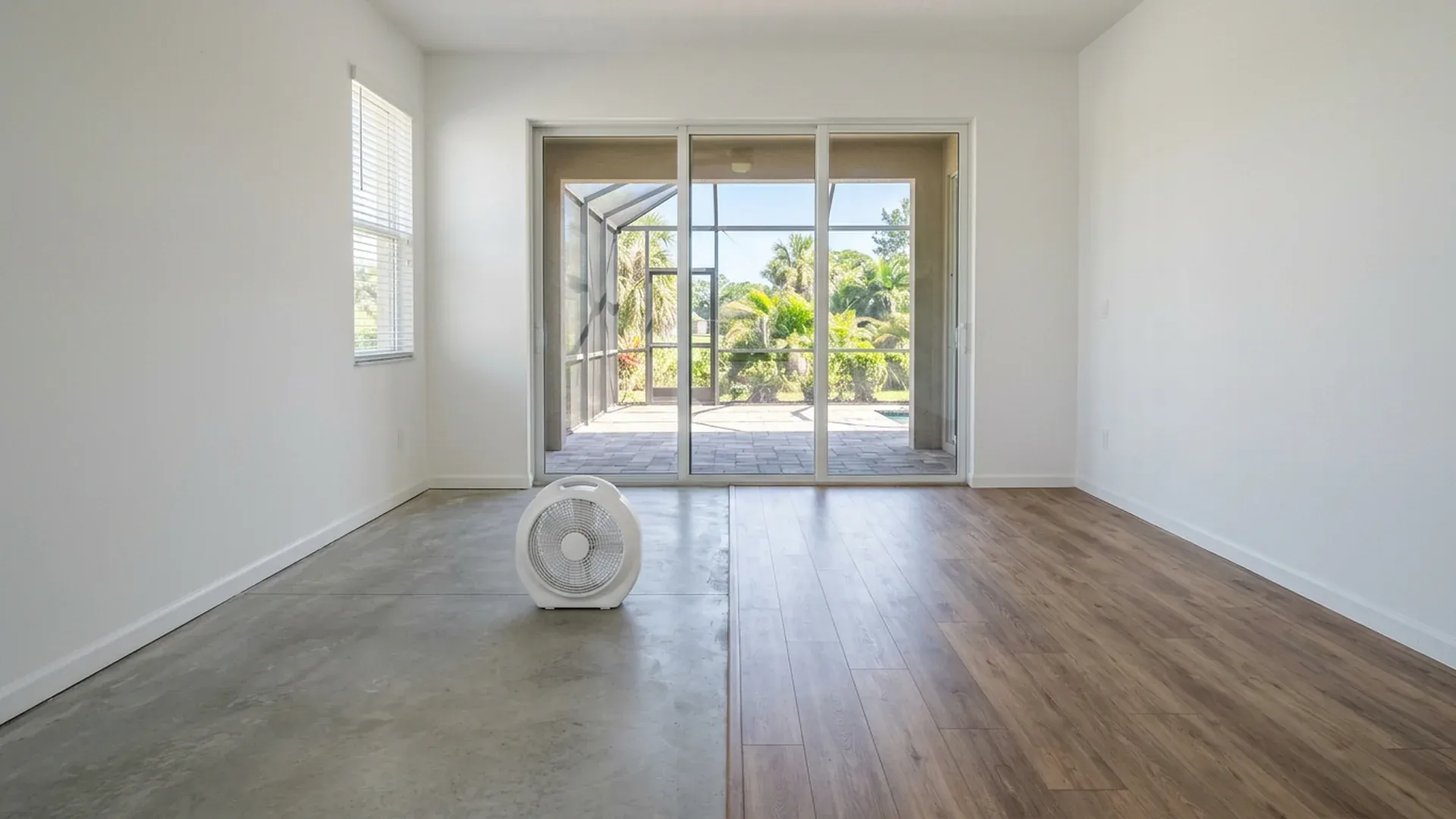
Flooring after hurricane damage is any floor that took on water from surge, rising water, wind-driven rain or a roof or window breach. It falls into two groups: floors that can be dried and kept, and floors that must come out. The answer depends on the material, how long it stayed wet, what the water carried and what happened underneath. Judge each room separately, because a bedroom that stayed dry and a living room that flooded may need very different decisions. This guide covers only the floor. For walls, read our guide to water-damaged drywall repair, and for storm planning, see our hurricane home preparation guide. To compare materials before you rebuild, start with flooring installation in Southwest Florida.
Which Floors Can Be Saved After a Flood?
FEMA offers a useful yardstick for flood damaged flooring. Technical Bulletin 2, issued in January 2025, defines flood damage-resistant materials as those that can withstand at least 72 hours of floodwater contact and need no more than cosmetic repair. Its finish table rates ceramic and porcelain tile set in mortar as acceptable, and the same tile set with organic adhesives as unacceptable. It rates carpeting, solid wood, engineered wood and plastic laminate flooring as unacceptable. The bulletin covers new construction, substantial improvements and repairs of substantially damaged buildings below the base flood elevation in mapped flood zones, and it says its ratings are not a precise indication of performance, so treat them as a guide to questions, not a verdict on your floor. Use them to sort your own flooring after a flood into likely keepers and likely replacements before anyone gives you a quote.
What Happens to Tile and Stone After Flooding?
Tile usually has the best odds, but the layers beneath it matter. Mapei, a maker of tile setting materials, says flooding can cause expansion, warpage and shrinkage in a tile system, and that salts in Portland cement mortars and grouts can rise to the surface and crystallize as efflorescence. The same sheet says an engineer or architect should inspect the entire floor system to judge subfloor damage.
Look for loose or lifted tiles, cracked grout and a white crystalline film at the joints. Tile that stays bonded and dries cleanly may be kept, while loose tile must be reset or replaced. Ask the installer how the original tile was set, because the setting method changes the outlook.
What About Wood, Laminate and Vinyl Plank?
The National Wood Flooring Association's magazine, Hardwood Floors, says water migrates below the wood floor system in any flood, so both the flooring and the subfloor must be evaluated. It adds that a buckled wood floor needs replacement wherever it buckled, because fasteners and adhesives no longer hold. Water damaged flooring made of laminate or engineered wood faces a similar problem, since FEMA's bulletin rates those floors unacceptable and notes that materials containing wood or paper products can deteriorate when wet.
Vinyl is more nuanced. FEMA rates homogeneous vinyl sheets or tiles with chemical-set adhesives as acceptable and other vinyl applications as unacceptable, so the installation method matters as much as the product.
How Fast Must Wet Flooring Dry to Limit Mold Risk?
The EPA says it is important to dry water-damaged areas and items within 24 to 48 hours to prevent mold growth. The CDC gives the same window for drying a home after a storm or flood, if possible, and says to throw away anything you cannot clean or dry quickly, including carpeting, carpet padding and rugs. Mold under flooring is a real concern because mold needs moisture, and EPA calls moisture control the key to mold control.
CDC says anyone cleaning mold should wear goggles, an N-95 respirator and protective gloves, and EPA advises that any contractor hired for mold cleanup should have experience cleaning up mold. Mold cleanup is specialist work, so do not treat it as part of a flooring job.
How Do You Test Moisture Before New Flooring Goes Down?
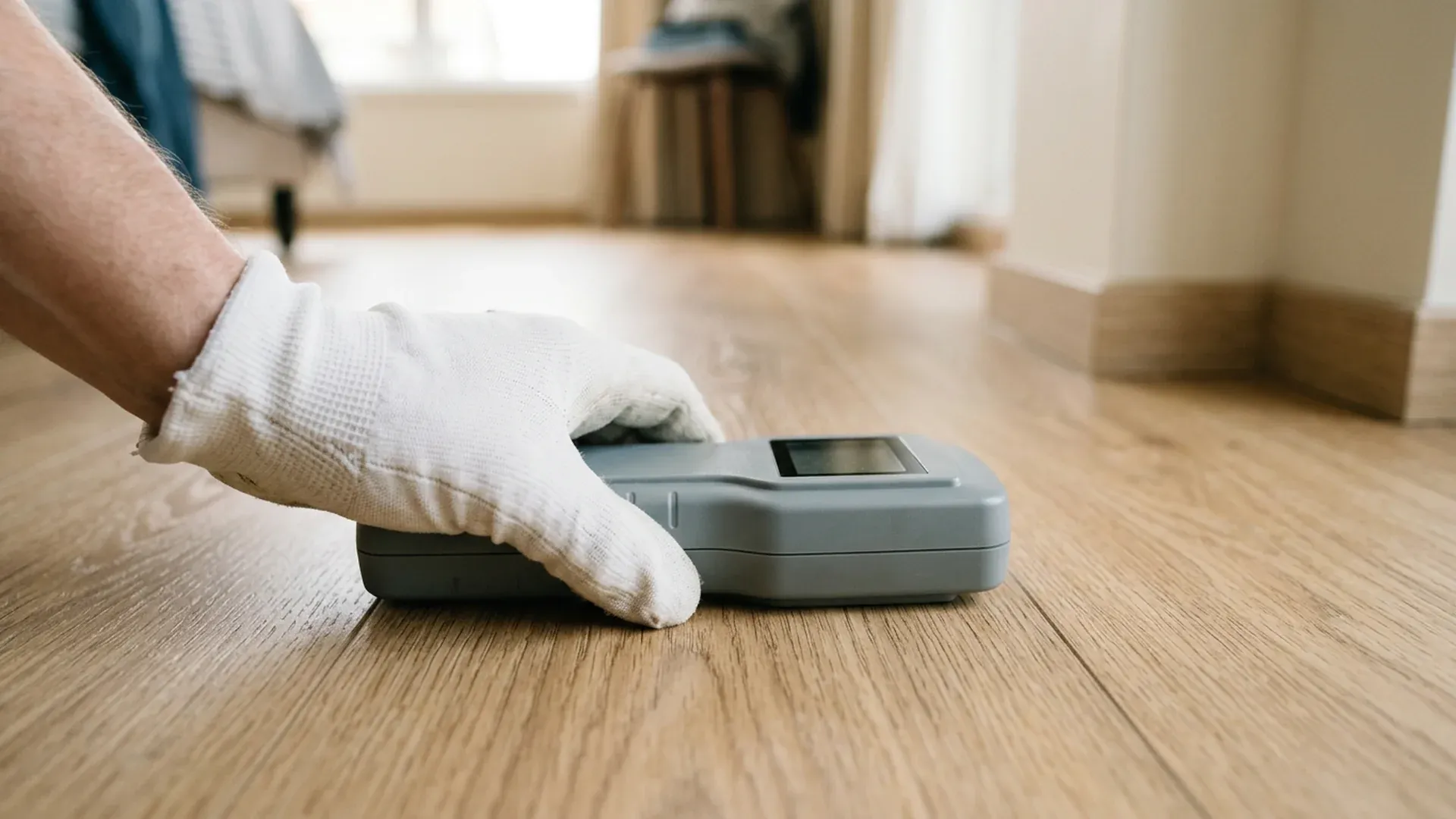
Flooring after hurricane damage can look dry long before it is, and a dry surface says little about the base. Hardwood Floors says the subfloor must reach the moisture levels the flooring and adhesive makers require before installation, and that pinless meters can scan a surface to map damage while pin meters take readings at several depths. For wood, its target is within 2 percent of the expected in-use moisture content.
For concrete, the Resilient Floor Covering Institute says slabs at all grade levels, regardless of age, should be tested for moisture, and it describes in-situ relative humidity probes under ASTM F2170 as one method. Ask your installer which subfloor moisture test will be used and to share the readings in writing.
What Should You Document for Flooring After Hurricane Damage?
FEMA's guide to starting a National Flood Insurance Program claim says to photograph and video the damaged property, including items you plan to discard, before moving or removing anything. It also says to keep swatches and photograph water-damaged carpet or other flooring before disposing of it, and it suggests organizing photos by room. The Florida Department of Financial Services' Disaster Assistance guide tells homeowners to make emergency repairs, keep receipts and photograph damage before and after repairs.
FEMA also advises consulting your adjuster or insurer before signing a contract with a cleaning or remediation contractor. This guide stops at documentation, so ask your insurer what your policy covers.
What Are Your Rebuild Options for Flooring After Hurricane Damage?
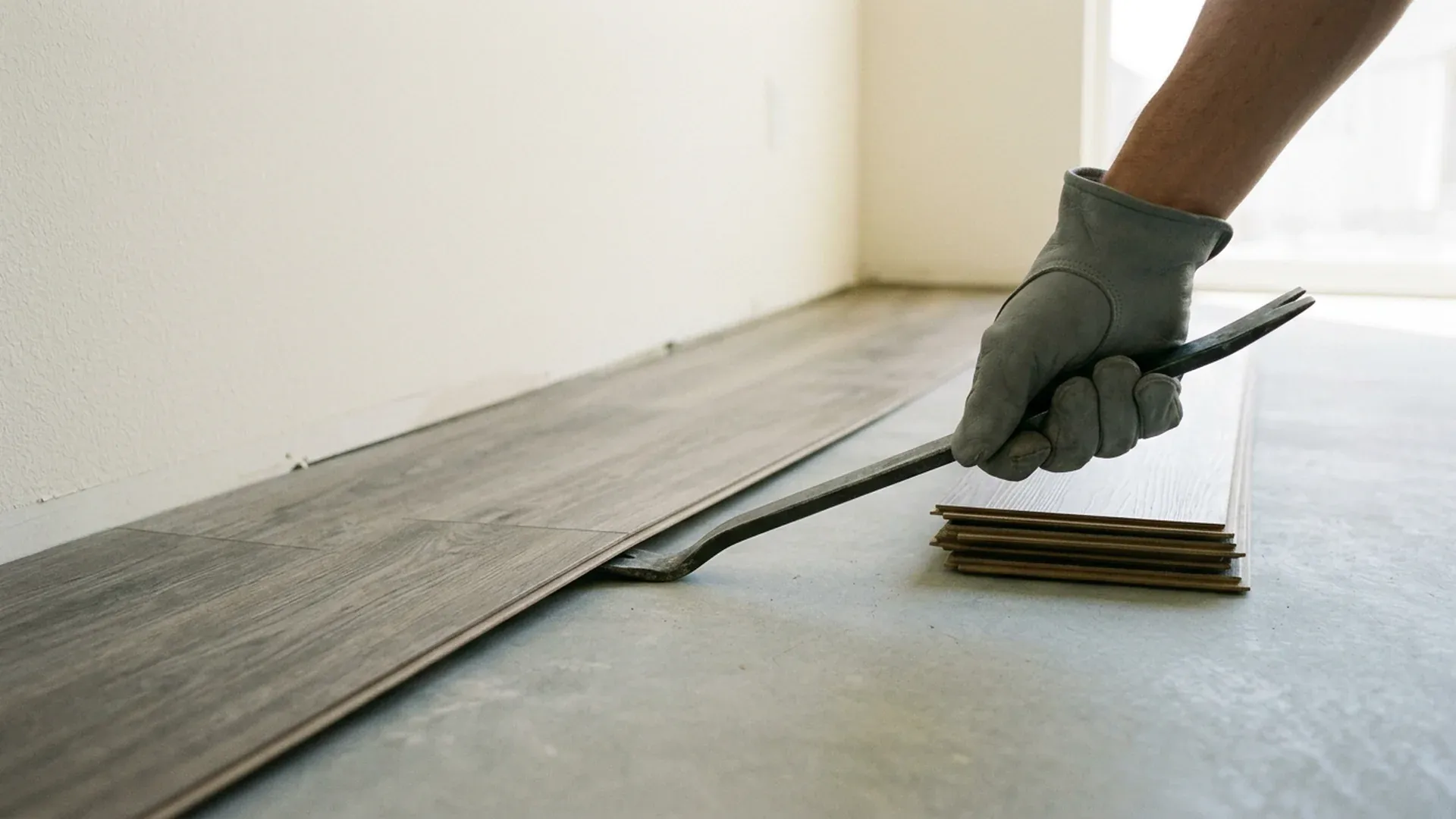
Rebuild options fall into three groups: dry and keep sound floors, replace damaged sections, or replace the whole floor with a material that tolerates water better. FEMA's ratings give a starting list for that last choice, such as mortar-set porcelain tile. Whatever you choose, the base must be dry, tested and flat first.
Our guide to waterproof flooring options explains what waterproof really means, and our LVP vs porcelain tile comparison helps you weigh two common picks. FEMA also advises asking your community building department whether the property was substantially damaged and obtaining a building permit before structural repairs, so check local rules before work begins.
Flooring After Hurricane Damage FAQ
Can flooded flooring stay in place if it dried quickly?
Flooring after hurricane damage might be kept, but check what lies beneath first. EPA and CDC point to a 24 to 48 hour drying window to limit mold, and Hardwood Floors says water migrates below wood floors in a flood. Ask a contractor to take moisture readings of the flooring and the base before you decide to keep it.
How long can wet flooring stay down before mold becomes a concern?
EPA says to dry water-damaged areas and items within 24 to 48 hours to prevent mold growth, and CDC gives the same window if possible. Porous materials such as carpet and padding are better removed. Mold needs moisture, so drying matters more than any cleaner you apply afterward.
Can I install new flooring as soon as the water is gone?
Not until the base has been tested. A floor that looks dry can still hold moisture, and flooring and adhesive makers set the moisture levels they require. Hardwood Floors says the subfloor must meet those levels before installation, and RFCI recommends testing concrete regardless of age.
Should I remove flooring before the adjuster visits?
Photograph it first, and ask your insurer before you discard anything. FEMA advises documenting damaged flooring with photos and keeping swatches before disposal, and it suggests consulting your adjuster before signing cleanup contracts. Make sure the building is safe to enter before you start.
Plan Your Floor Replacement in Southwest Florida
Phenomenal Renovation's flooring service covers old floor removal, subfloor prep and leveling, and new tile, luxury vinyl plank, laminate or wood. Flood or water damage restoration, mold cleanup and insurance claims are not part of that service, so bring us in for the rebuild once the base is dry and the damage is documented. Planning flooring after hurricane damage starts with those two steps, and an estimate can follow them. Call (239) 878-3404 and ask for a free estimate on the rebuild.
Guidance checked against the named EPA, CDC, FEMA, Florida Department of Financial Services, Mapei, Hardwood Floors and RFCI sources in November 2026.
Cristiano Barbosa is the Founder & CEO of Phenomenal Renovation, a family-owned remodeling company serving Fort Myers, Cape Coral, Naples, Bonita Springs, Estero, and LaBelle. With over 20 years of hands-on experience and two generations of construction knowledge behind him, he holds both a Certified Residential Contractor (CRC) license and a Licensed Plumber license, letting his crew handle plumbing and waterproofing in-house instead of outsourcing it, and has led his team through more than 350 successful renovations across Southwest Florida.