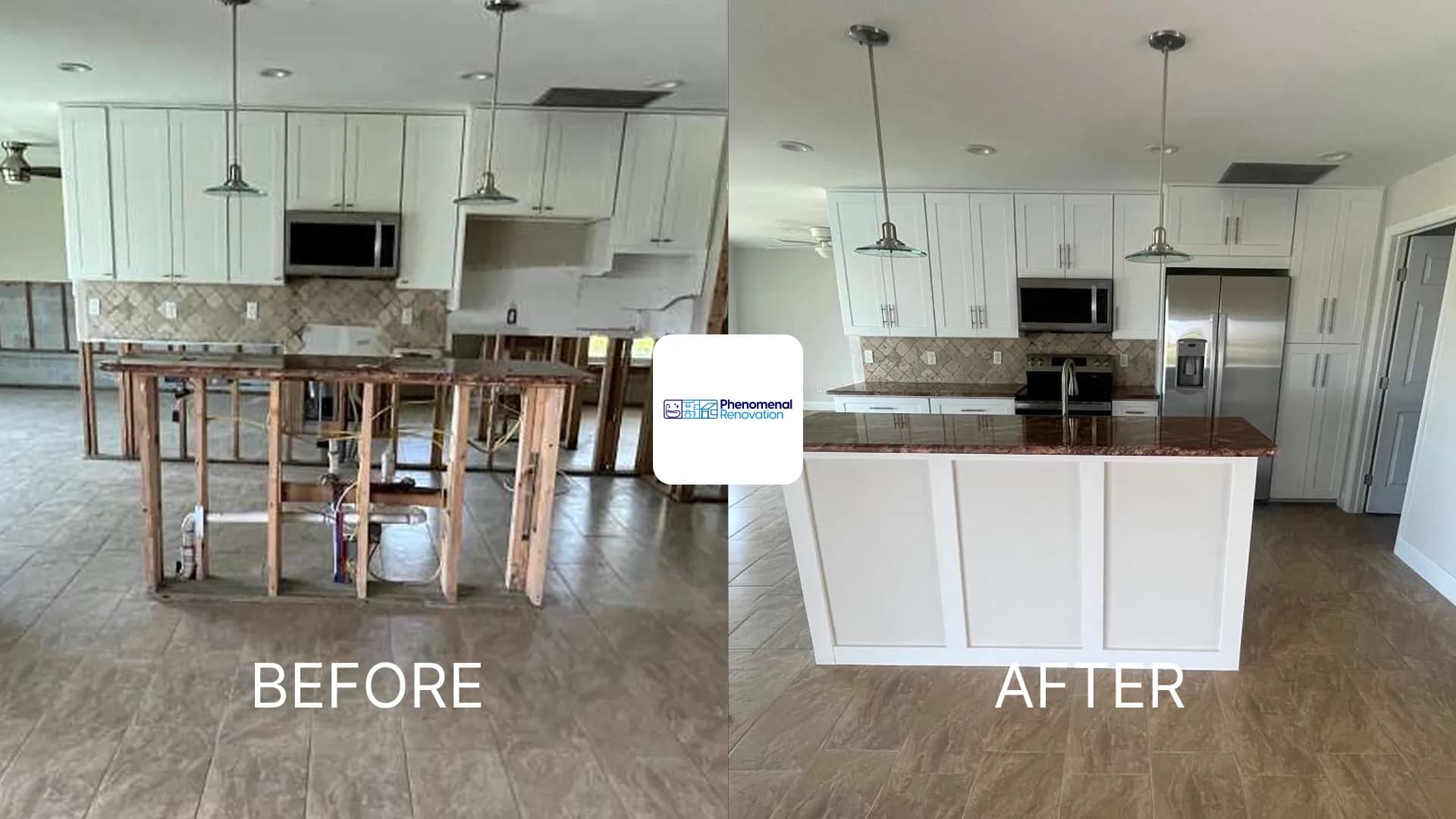
How to Pick the Right Flooring Contractor in SWFL
Hiring a flooring contractor in SWFL? Know what to look for and when to repair vs. replace. Call (239) 878-3404 or get a free quote online.
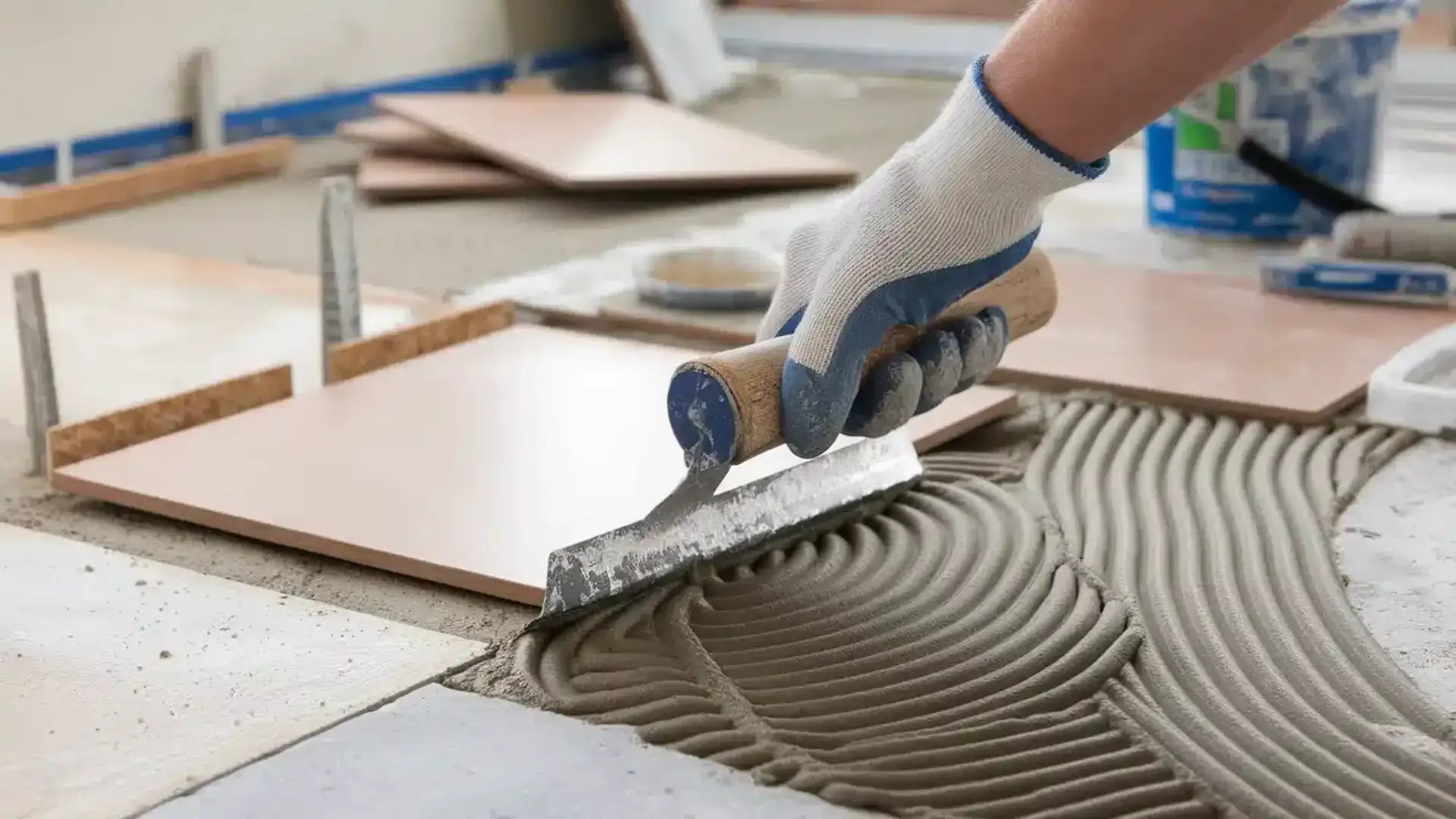
Flooring is one of those projects where a good installation is invisible and a bad one is impossible to ignore, uneven tile lines, hollow-sounding vinyl plank, or cracked grout within a year. Choosing the right flooring contractor up front is the difference between floors that last decades and floors you're redoing again in three years. This guide covers exactly what to look for when hiring a flooring contractor, whether you're flooring a single bathroom or an entire commercial space.
What Sets the Best Flooring Contractor Apart
Not all flooring installers offer the same level of craftsmanship, and price alone rarely tells the full story. The best flooring contractor typically shares a few traits:
- Proper subfloor preparation before any material goes down, not just laying tile or plank over existing imperfections
- In-house crews rather than a rotating group of day-labor subcontractors
- Manufacturer-backed installation certifications for specific flooring products
- A written warranty covering both materials and labor
When comparing installers, ask each one to walk you through their subfloor prep process specifically, this step is often skipped by lower-cost installers and is the most common cause of floors failing early. A reputable company should be able to walk you through past projects and show real examples of the work. Don't be afraid to ask them for references from jobs completed at least a year or two ago, since that's when hidden installation problems tend to surface.
It's also worth asking a company how they train and vet their crews. Some companies rely almost entirely on subcontracted labor that changes from job to job, which makes consistent quality harder to guarantee. A flooring contractor with a stable, in-house team tends to produce more predictable results because the same people are accountable for the work from start to finish.
Do You Need a Commercial or Residential Flooring Contractor?
The requirements for a commercial flooring contractor differ significantly from residential jobs. Commercial spaces typically involve:
- Higher foot traffic, requiring more durable, commercial-grade materials
- Work scheduled around business hours or overnight to avoid disrupting operations
- ADA compliance considerations for transitions and thresholds
- Larger square footage requiring tighter project management and crew coordination
If you're flooring a retail space, office, or rental property, confirm the flooring contractor has specific commercial installation experience, not just residential work scaled up, since the material specs and scheduling constraints are genuinely different. A residential installer who has never worked around business hours or coordinated with property managers may underestimate how disruptive an installation can be to daily operations.
On the flip side, a commercial installer isn't always the right fit for a home renovation either. Residential jobs tend to reward a flooring contractor who's comfortable working around furniture, pets, and family schedules, details that rarely come up on a commercial site.
When to Call a Flooring Contractor for Repair Instead of Replacement
Full replacement isn't always necessary. An experienced flooring contractor can often fix isolated problems, a handful of cracked tiles, water-damaged sections of vinyl plank, or squeaky subfloor spots, without redoing an entire room.
Situations where repair makes sense over replacement:
- Damage is limited to a small, identifiable area
- The existing flooring material is still in production or a close match is available
- The subfloor underneath is structurally sound
- The floor is less than 5–7 years old
If a flooring contractor finds that the damage stems from an underlying moisture or structural issue, expect them to recommend addressing that root cause first, patching over an active leak or subfloor rot will only fail again. A trustworthy installer will tell you honestly when repair is the smarter option instead of pushing an unnecessary replacement. This is one area where the right professional earns long-term trust: recommending the cheaper fix when it's genuinely the better call.
What to Expect From a Flooring Contractor During an Estimate
A thorough estimate from an experienced flooring contractor should include more than just a square-footage price. Expect a good installer to:
- Physically inspect the subfloor for moisture, levelness, and structural issues
- Measure the space precisely, accounting for waste factor on patterned materials
- Explain material options with pros and cons for your specific room and climate
- Provide a written timeline, not just a price
In Southwest Florida specifically, ask any flooring contractor how they handle moisture barriers and humidity-resistant adhesives, standard installation methods used in drier climates don't always hold up here long-term. A company that can't speak confidently about local humidity challenges may not have enough regional experience to guarantee lasting results.
It's also reasonable to ask for a breakdown of labor versus material costs. This transparency makes it easier to compare quotes between companies and understand exactly what you're paying for beyond the per-square-foot number.
Specialized Bathroom Work From a Qualified Flooring Contractor
Bathrooms present unique challenges that general flooring installation doesn't always address. A qualified flooring contractor handling bathroom work should include:
- Waterproof membrane installation beneath tile, not just grout sealing after the fact
- Proper slope toward drains in shower and wet areas
- Slip-resistant material recommendations, especially for households with children or older adults
- Mold-resistant grout and sealant products
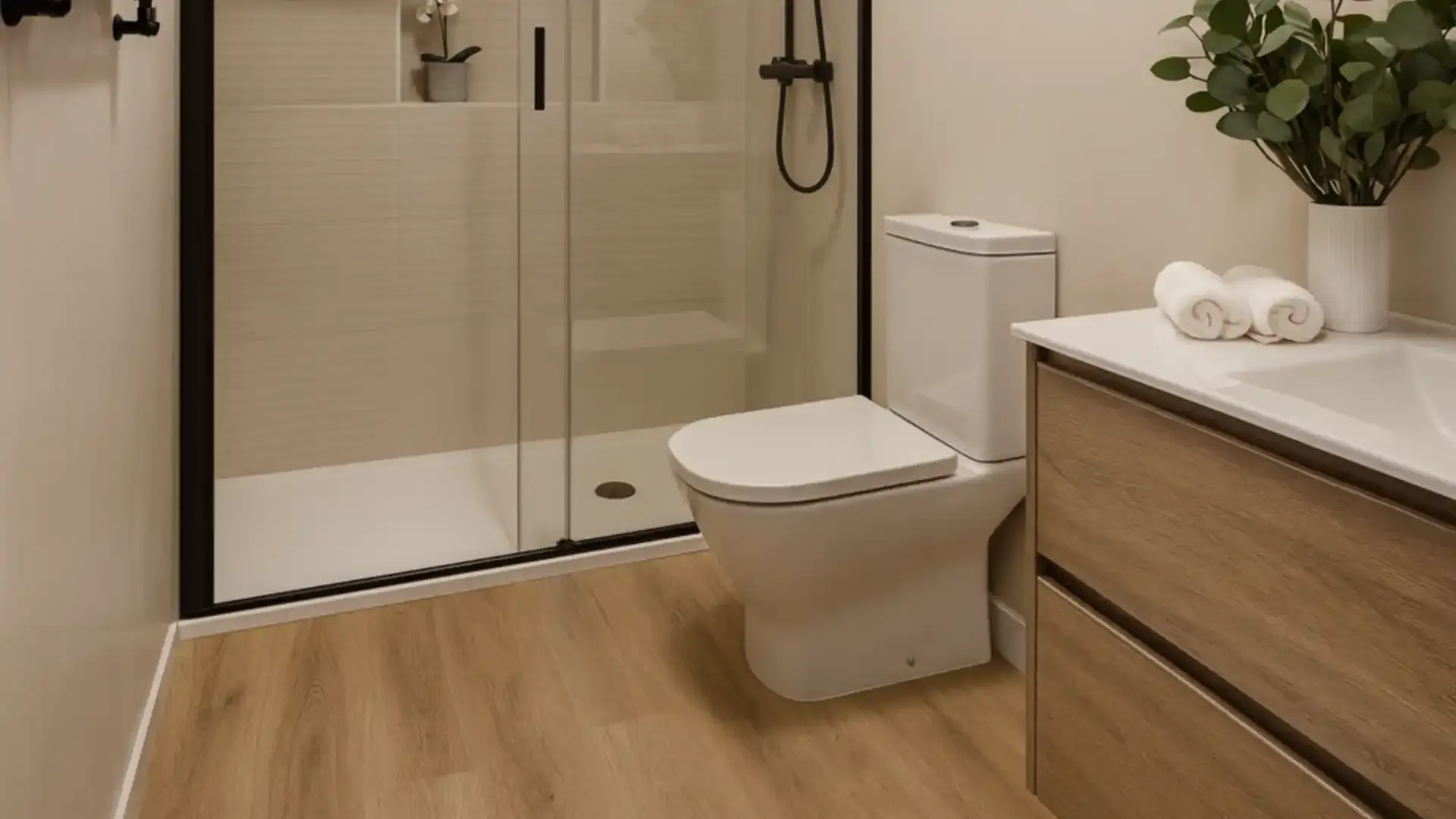
Cutting corners on bathroom installation is one of the most common causes of hidden water damage discovered years later during an unrelated remodel, it's worth paying a flooring contractor for proper waterproofing the first time. Ask any installer bidding on a bathroom project to explain, step by step, how they'll waterproof the shower pan before a single tile goes down.
Working With a Concrete Floor Installation Contractor
For garages, patios, and some ground-floor living spaces, a concrete floor installation contractor brings a different skill set than a typical flooring contractor working with tile or plank. Key considerations:
- Proper curing time before any sealant or coating is applied
- Control joints placed correctly to prevent random cracking
- Moisture testing before installing any finish flooring over a concrete slab
- Decorative options like stamped, stained, or polished concrete for exposed surfaces
Ask a concrete floor installation contractor specifically about moisture testing protocols, installing finish flooring over a slab that hasn't fully cured or that has moisture intrusion is one of the most expensive mistakes in flooring. Not every flooring contractor handles concrete work in-house, so confirm this upfront if your project includes a slab.
Questions to Ask Before You Hire a Flooring Contractor
Before signing a contract, it helps to have a short list of questions ready for any flooring contractor you're considering:
- How long has your company been operating as a flooring contractor in this area?
- Can you provide proof of licensing and insurance?
- Do you use in-house crews or subcontractors for installation?
- What does your written warranty cover, and for how long?
- How do you handle unexpected subfloor issues discovered mid-project?
A flooring contractor who answers these questions clearly and without hesitation is generally one who's confident in the quality of their work. Vague or evasive answers from an installer are a signal to keep looking.
Frequently Asked Questions
How do I know if I need a repair or a full flooring replacement?If the damage is isolated, the subfloor is sound, and matching material is available, repair is usually the more cost-effective option. Widespread damage, an aging floor, or an underlying moisture problem usually points to full replacement, and a qualified flooring contractor can help you tell the difference.
What flooring holds up best in Florida's humidity?Porcelain tile and properly sealed luxury vinyl plank tend to perform well in high-humidity environments, provided the subfloor is properly prepped and moisture barriers are installed where needed by an experienced installer.
How long does a flooring installation typically take?A single room typically takes 1–3 days once materials arrive. Whole-home flooring projects can take 1–3 weeks depending on square footage and material type, though timelines vary by flooring contractor and crew size.
Do flooring contractors handle both materials and installation?Most full-service flooring contractor teams can source materials directly or work with what you've already purchased, confirm which arrangement applies before your estimate, since it affects both price and timeline.
Conclusion
The right flooring contractor protects your investment long after installation day, through proper subfloor prep, correct waterproofing, and materials suited to your specific space and climate. Whether you need bathroom flooring work, a full commercial installation, or a concrete slab prepped and finished, the questions in this guide will help you separate a company that cuts corners from one who doesn't.
Phenomenal Renovation installs level porcelain tile, luxury vinyl plank, laminate, and wood flooring across Fort Myers, Cape Coral, Naples, Bonita Springs, Estero, and LaBelle, prepped and sealed specifically for Southwest Florida's climate. As a trusted flooring contractor in the region, Phenomenal Renovation offers free estimates. Get a free flooring estimate or call (239) 878-3404.

Cristiano Barbosa is the Founder & CEO of Phenomenal Renovation, a family-owned remodeling company serving Fort Myers, Cape Coral, Naples, Bonita Springs, Estero, and LaBelle. With over 20 years of hands-on experience and two generations of construction knowledge behind him, he holds both a Certified Residential Contractor (CRC) license and a Licensed Plumber license, letting his crew handle plumbing and waterproofing in-house instead of outsourcing it, and has led his team through more than 350 successful renovations across Southwest Florida.