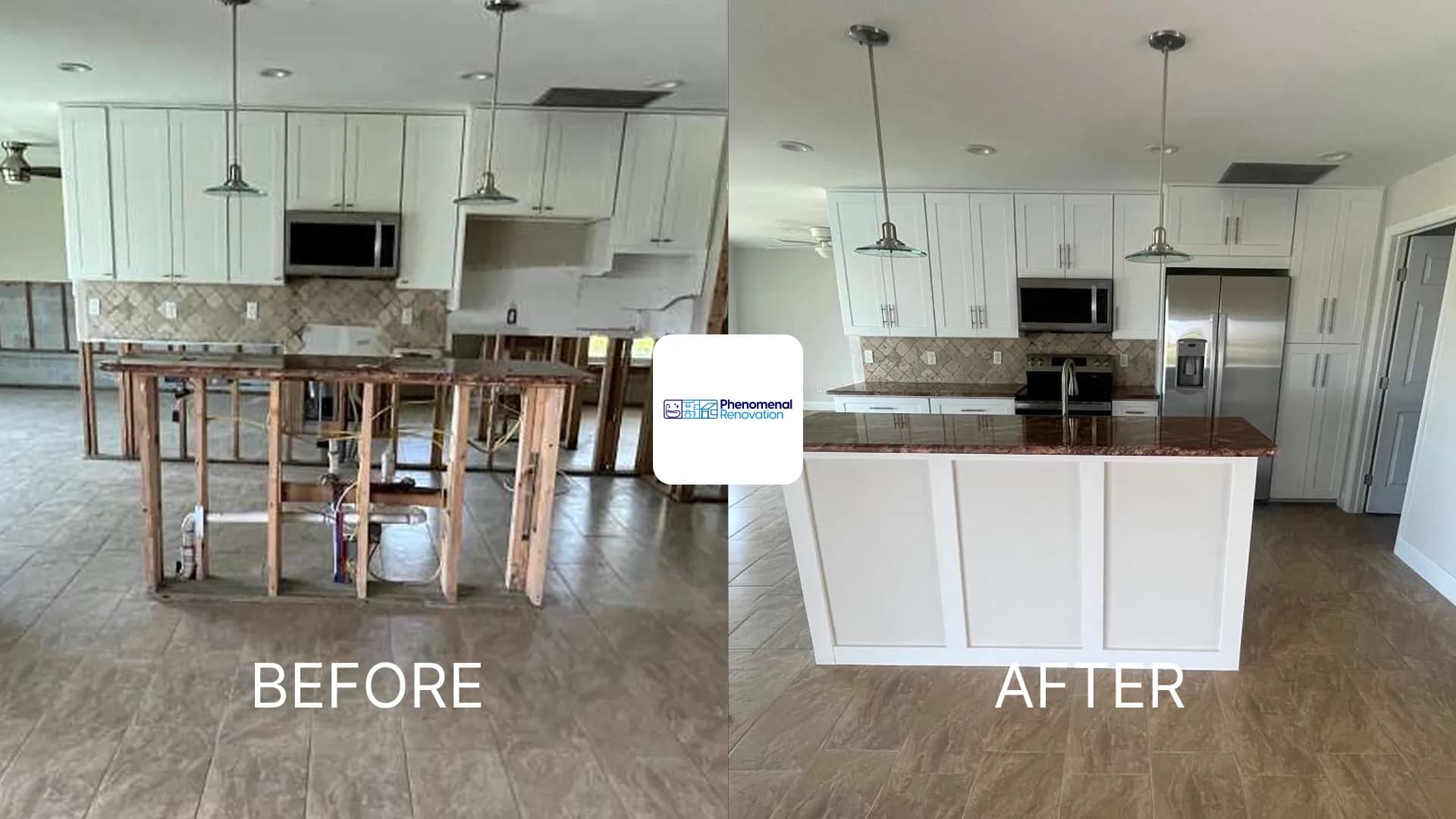
Home Remodel Planning Guide: Step-by-Step
Planning a home remodel? Follow this step-by-step guide to budgeting, prioritizing rooms, and hiring contractors. Call (239) 878-3404 for a free estimate.
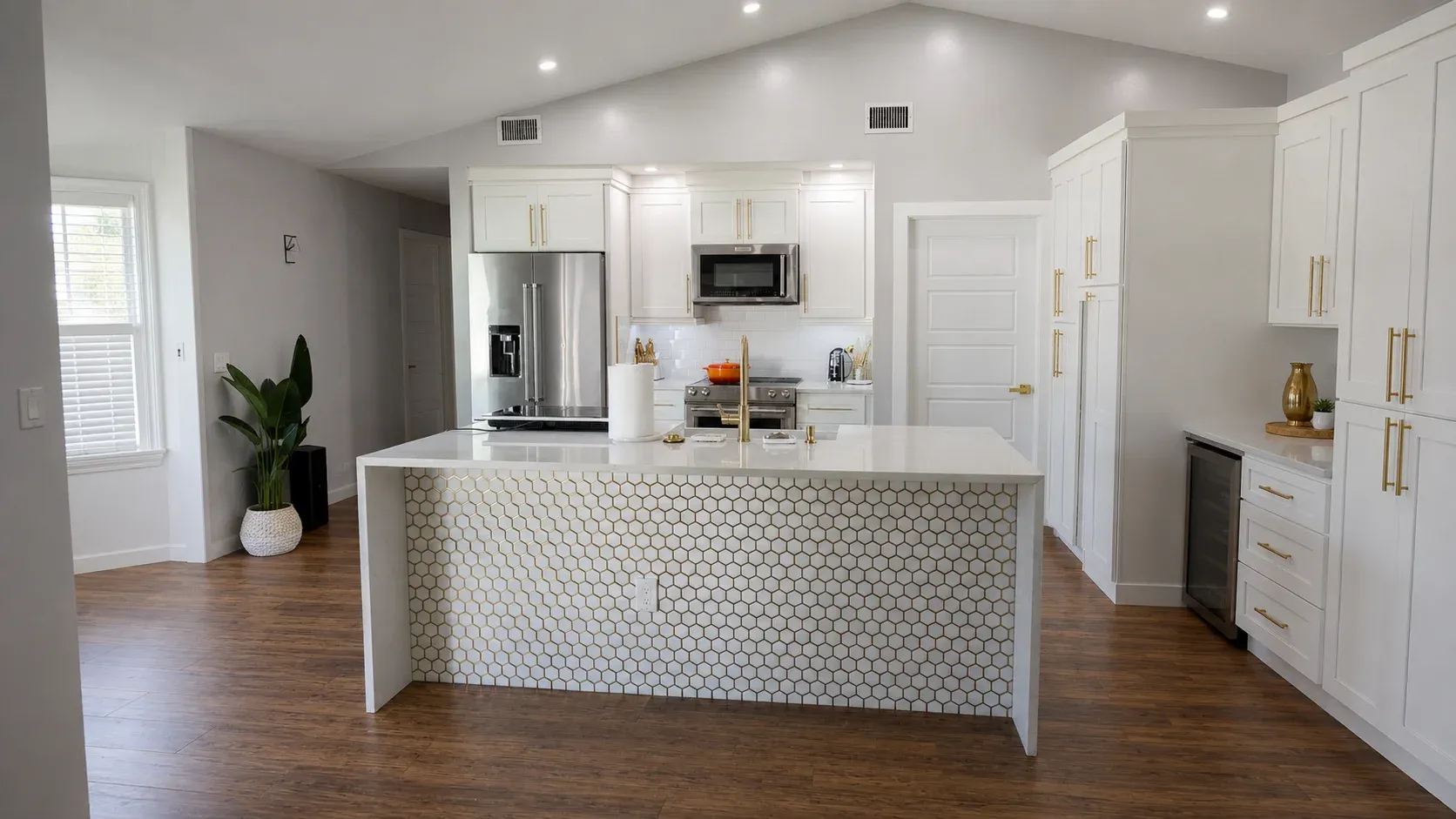
Starting a home remodel without a plan is how projects go over budget and over schedule. Whether you're tackling one room or renovating the whole house, the homeowners who have the smoothest experience are the ones who work through a clear sequence of decisions before a single wall comes down. This guide walks through that sequence step by step, so you know exactly what to figure out, and in what order, before you ever call a contractor.
By the end of this home remodel planning guide, you'll have a framework you can apply to a single bathroom update or a full interior renovation.
Step 1: Define the Goal Before the Design
Before picking finishes or browsing inspiration photos, get specific about why you're remodeling. A home remodel driven by "we want to sell in two years" looks very different from one driven by "we're staying here for the next 20 years and want it to finally work for our family."
Ask yourself:
- Are we remodeling to sell, or to stay long-term?
- Is this about function (more storage, better layout) or aesthetics (updated finishes)?
- Which rooms actually affect daily life the most?
This step shapes every decision that follows, including budget allocation and material choices.
Step 2: Set a Realistic Budget, Including a Contingency
Every home remodel budget should include a contingency of 10 to 20% on top of the base estimate. Older Southwest Florida homes in particular often reveal hidden issues once walls open up, including outdated wiring, moisture damage, or plumbing that doesn't meet current code.
A realistic budget breaks down roughly as follows: labor typically accounts for 40 to 50% of the total, materials and fixtures make up another 30 to 40%, permits and design fees run 5 to 10%, and the contingency reserve should cover 10 to 20% on top of everything else.
Skipping the contingency line is the single most common reason remodels stall midway through, since homeowners run out of funds right when an unexpected repair shows up.
Step 3: Prioritize Rooms by Impact and Urgency
Few homeowners can remodel every room at once, so prioritize based on both daily impact and urgency. Kitchens and bathrooms typically deliver the highest return on investment and the most day-to-day quality-of-life improvement, which is why most whole-home renovation plans start there. If your kitchen or bathrooms haven't been touched in decades, they're usually the highest-priority starting point.
Beyond kitchens and bathrooms, consider urgency: active leaks, sagging drywall, or worn flooring should jump the queue ahead of purely cosmetic upgrades, since deferred repairs tend to get more expensive the longer they're left alone.
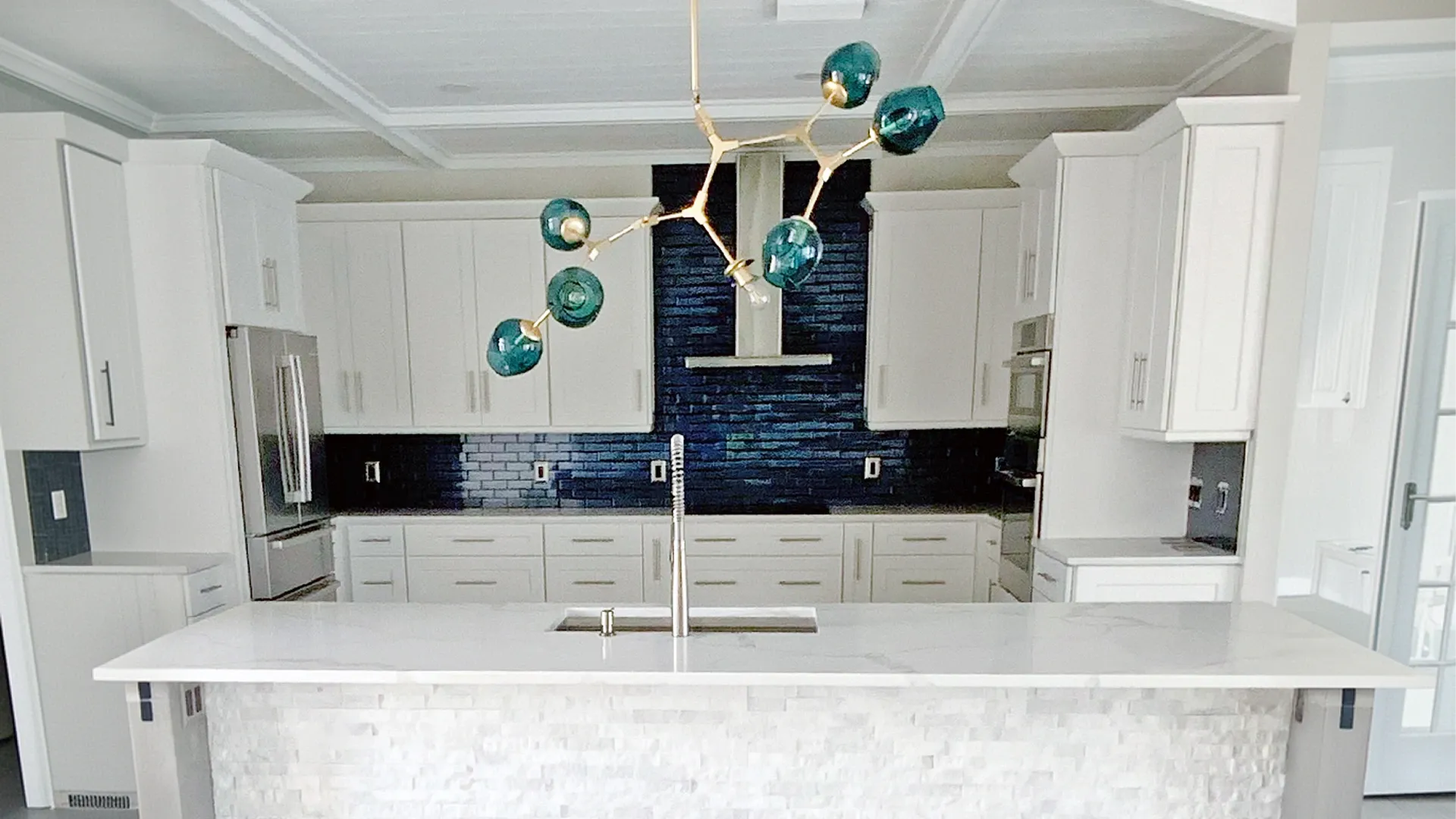
Step 4: Choose Between Phased and Full-Scope Remodeling
Not every remodel needs to happen all at once. Two common approaches:
- Phased remodeling: Complete one room or system at a time, spreading cost over months or years. This works well for homeowners without a lump-sum budget, but requires living through multiple, smaller disruptions.
- Full-scope remodeling: Complete multiple rooms or the whole interior in a single continuous project. This is more disruptive short-term but often cheaper overall, since labor, permitting, and material delivery are consolidated.
Neither approach is universally better, since it depends on your budget structure and how much disruption your household can tolerate at once.
Step 5: Vet and Hire the Right Contractor
This is the step where most remodel plans succeed or fail. Before hiring anyone:
- Confirm active license and insurance directly with your state or county licensing board
- Ask whether plumbing, electrical, and waterproofing are handled in-house or subcontracted
- Get a written warranty on both labor and materials
- Request references from projects completed in the last 12 months, ideally in your area
A contractor who personally oversees every job, rather than dispatching a rotating crew of subcontractors, tends to catch problems earlier and keep the schedule tighter, because one person is accountable from start to finish.
Step 6: Build a Realistic Timeline With Buffer
Every home remodel timeline should include buffer time for permitting, inspections, and material lead times, especially for custom cabinetry, tile, or countertops. As a rough guide, a single-room cosmetic refresh takes about 1 to 3 weeks, a single-room full remodel runs 3 to 8 weeks, and a whole-home interior remodel typically takes 3 to 6 months or more.
Ask your contractor to show you where permitting and inspection windows fall in the schedule, since those are typically outside their direct control and the most common source of delay.
Step 7: Plan for Living Through the Project
Decide early how your household will function during construction, whether that means a temporary kitchen setup, an alternate bathroom, or, for larger projects, temporary housing. Planning this in advance, rather than scrambling once demo starts, is one of the most overlooked parts of a smooth renovation.
Frequently Asked Questions
What's the first step in planning a home remodel?Start by defining your goal, whether you're remodeling to sell soon or to stay long-term, since that decision shapes your budget, material choices, and priorities for every room that follows.
How much contingency should I budget for a home remodel?Plan for 10 to 20% above your base estimate, especially in older homes where hidden issues like outdated wiring or moisture damage are common once walls are opened.
Should I remodel one room at a time or the whole house at once?It depends on your budget and tolerance for disruption. Phased remodeling spreads cost over time but means living through multiple smaller projects; full-scope remodeling is more disruptive short-term but often more cost-efficient overall.
How do I know if a contractor is qualified for a home remodel?Verify their license and insurance directly with your state or county licensing board, ask whether plumbing and electrical work is done in-house, and request a written warranty along with recent local references.
Conclusion
Planning a home remodel comes down to sequence: define your goal, set a realistic budget with contingency, prioritize rooms by impact, choose a phased or full-scope approach, vet your contractor carefully, and build a timeline with buffer built in. Homeowners who work through these steps before signing a contract consistently end up with smoother, more predictable projects.
Phenomenal Renovation has guided homeowners across Fort Myers, Cape Coral, Naples, Bonita Springs, Estero, and LaBelle through kitchen, bathroom, flooring, and drywall remodels for over 16 years, with in-house licensed plumbing and a written warranty on every job. Get a free home remodel estimate or call (239) 878-3404 to start planning your project with a local team.

Cristiano Barbosa is the Founder & CEO of Phenomenal Renovation, a family-owned remodeling company serving Fort Myers, Cape Coral, Naples, Bonita Springs, Estero, and LaBelle. With over 20 years of hands-on experience and two generations of construction knowledge behind him, he holds both a Certified Residential Contractor (CRC) license and a Licensed Plumber license, letting his crew handle plumbing and waterproofing in-house instead of outsourcing it, and has led his team through more than 350 successful renovations across Southwest Florida.